

Skardu & Hunza Tour – 12 Days

-
Overview
-
Schedules
-
Equipments
-
Included/Excluded
-
Location
Overview
This tour is designed for travelers seeking breathtaking landscapes, high-altitude adventure and cultural experiences. Starting from Islamabad the journey passes through the scenic Naran Valley, crossing Babusar Top and Lulusar Lake en route to Skardu the gateway to some of Pakistan’s most stunning natural wonders. In Skardu travelers explore Shangrila Resort, Upper and Lower Kachura Lakes, Shigar Valley and Deosai National Park. The tour then continues to the enchanting Hunza Valley featuring Baltit & Altit Forts, Eagle’s Nest, Attabad Lake, Passu Cones and the Hussaini Suspension Bridge with an optional excursion to Khunjerab Pass. The return journey is comfortable culminating in a stay in Islamabad before airport transfer.
Highlights
- Skardu Attractions: Shangrila Resort, Upper & Lower Kachura Lakes, Skardu Bazaar
- Deosai National Park: Explore high-altitude plains & wildlife
- Shigar Valley: Shigar Fort & local villages
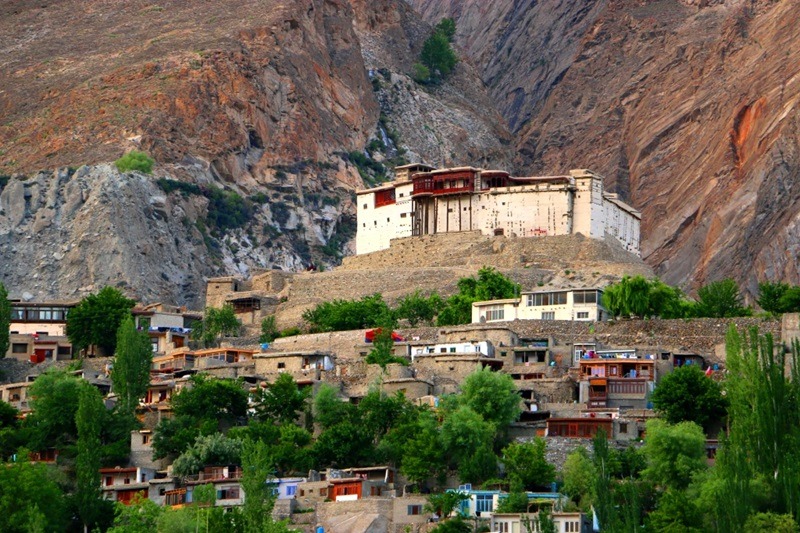
- Hunza Valley: Baltit & Altit Forts, Eagle’s Nest, Karimabad Bazaar
- Upper Hunza: Attabad Lake, Passu Cones, Hussaini Suspension Bridge, Khunjerab Pass (seasonal)
- Babusar Top & Lulusar Lake (Summer route)
- Scenic Karakoram Highway Drive throughout
- Direct Naran – Skardu: Saves travel time, no overnight stops in between
Day 1: Arrival Islamabad
- Airport pickup and hotel check-in
- Optional short city tour: Faisal Mosque, Daman-e-Koh
- Overnight in Islamabad
Day 2: Islamabad to Naran
- Drive via Mansehra - Balakot - Babusar Top - Naran
- Scenic stops: Shogran, Siri Paye (time permitting)
- Overnight in Naran
Day 3: Naran to Skardu
- Early morning departure from Naran
- Long scenic drive along Indus River & Karakoram Highway
- Cross Babusar Top, Lulusar Lake (summer) / alternative KKH route in winter
- Arrive in Skardu in evening
- Overnight in Skardu
Day 4: Skardu Local Sightseeing
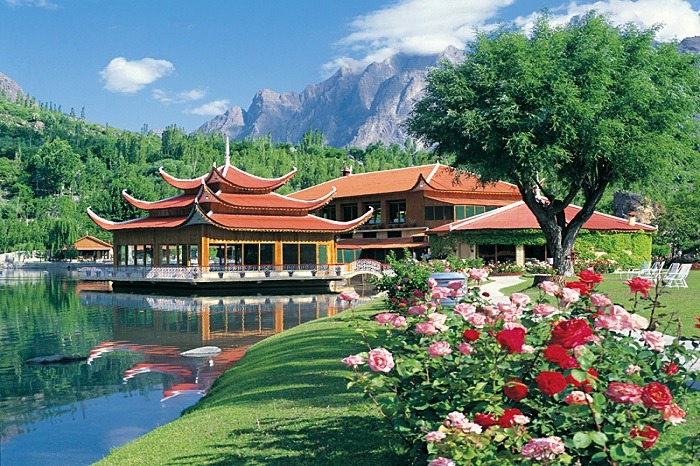
- Shangrila Resort (Lower Kachura Lake)
- Upper Kachura Lake
- Skardu Bazaar
- Overnight in Skardu
Day 5: Deosai Plains Excursion
- Full-day trip to Deosai National Park
- Witness wildlife, Himalayan Ibex, wildflowers and high plains
- Return to Skardu for overnight stay
Day 6: Shigar Valley & Skardu
- Visit Shigar Fort & Museum
- Explore Shigar Valley
- Return to Skardu
- Overnight in Skardu
Day 7: Skardu to Hunza (via Gilgit)
- Early morning drive to Hunza
- Stop at Gilgit City
- Optional: Rakaposhi View Point
- Arrive in Hunza (Karimabad)
- Overnight in Hunza
Day 8: Hunza Local Sightseeing
- Baltit Fort
- Altit Fort & Royal Gardens
- Eagle’s Nest viewpoint at sunset
- Overnight in Hunza
Day 9: Upper Hunza Day Trip
- Attabad Lake & optional boat ride
- Passu Cones & Glacier viewpoint
- Hussaini Suspension Bridge
- Optional: Khunjerab Pass (seasonal)
- Return to Hunza for overnight stay
Day 10: Hunza to Naran
- Hunza - Naran via Babusar Top
- Visit Babusar Top & Lulusar Lake
- Overnight in Naran
- Hunza - Chilas via KKH
- Overnight in Chilas
Day 11: Naran to Islamabad
- 5-6 hours drive to Islamabad
- Easy travel day
- Overnight in Islamabad
- 9-10 hours via Besham
- Arrive Islamabad
- Overnight in Islamabad
Day 12: Islamabad to Home country
- Breakfast at hotel
- Transfer to Islamabad International Airport
- End of tour
Tour Activities
No activities have been specified for this tour.
Inclusions
- Accommodation: Comfortable and well-appointed hotels throughout the tour.
- Transportation: Transfers and transportation in air-conditioned vehicles.
- Professional and experienced driver/guide.
- Guided Tours: Knowledgeable local guides for city tours and historical sites.
- Day Sightseeing Trips
- Meals: Three times meals, Breakfast-Lunch-Dinner
- Some lunches and dinners featuring local cuisine.
- Cultural Experiences: Engaging cultural activities and experiences.
- Interactions with local communities.
- Professional Tour Leader & BBQ Bone fire Night.
- Support: 24/7 on-ground support.
Exclusions
- Travel Insurance: Comprehensive travel insurance coverage is recommended.
- Any Sort of Entry Tickets
- Horses, ponies or Porter Charges for Personal luggage.
- Personal Expenses: Expenses of a personal nature.
- Optional Activities: Costs related to optional activities not included in the itinerary.
- Tips and Gratuities: Gratuities for guides, drivers, and other service providers.
Essential Equipment Checklist for Tours
- Thermal base layers to keep your body warm during cold mornings and nights.
- A good fleece jacket for mid-layer insulation in mountain weather.
- A warm insulated or down jacket for high-altitude cold winds.
- A waterproof and windproof outer jacket to protect from sudden rain and strong winds.
- Warm woolen cap, insulated gloves, and thick wool socks for cold protection.
- UV-protected sunglasses and a sun cap to handle strong high-altitude sunlight.
- Sunscreen and lip balm to protect skin and lips from dryness and sunburn.
- Strong waterproof trekking boots for rocky and uneven mountain terrain.
- A 20–40L daypack for daily essentials during hikes and travel.
- A warm sleeping bag (–10°C to –15°C rating) for cold nights in Astore and Deosai.
- A comfortable sleeping mat for insulation and better sleeping comfort.
- A bright headlamp or torch with spare batteries for night use and camping.
- Two 1-liter water bottles plus water purification tablets or filter for safe drinking water.
- A high-capacity power bank to charge mobile devices in remote areas.
- A complete first-aid kit including personal medicines and altitude-related items.
- High-energy snacks like dry fruits, energy bars, chocolates, and ORS packs.
- Adjustable trekking poles for stability and support on steep or rocky trails.
- Toiletries with a small towel for personal hygiene during the tour.
- Wet wipes and tissues for easy cleaning when water is not available.
- Offline maps or GPS because signals are weak in remote regions.
- Sufficient cash and CNIC as ATMs and card services are limited.
Mountain Travel Essentials
Prepare for your mountain adventure with these essential tips to ensure a safe and enjoyable experience:
Essential Gear
- Layered clothing for temperature changes
- Waterproof jacket and pants
- Sturdy hiking boots with ankle support
- UV-protective sunglasses
- Headlamp with spare batteries
Health & Safety
- Acclimatize properly to avoid altitude sickness
- Use high SPF sunscreen even on cloudy days
- Stay hydrated with 3-4 liters of water daily
- Carry a basic first-aid kit
- Inform others of your route plan
Mountain Activities You'll Enjoy
Mountain environments offer unique experiences you won't find anywhere else. During your journey, you may have the opportunity to enjoy:
Alpine Photography
Capture breathtaking vistas, unique flora, and dramatic light conditions that make mountains a photographer's paradise.
Wilderness Camping
Experience nights under crystal-clear skies with unparalleled stargazing opportunities in pristine mountain environments.
Wildlife Encounters
Observe native species in their natural habitats, from majestic birds of prey to elusive mountain mammals.
Cultural Immersion
Connect with local mountain communities and learn about their unique traditions, cuisine, and way of life.
Skardu & Hunza
About This Location
Skardu, located in Baltistan, is a gateway to towering Karakoram peaks, high-altitude lakes, glaciers, and cultural heritage sites like Shigar and Khaplu. Hunza Valley lies north along the Karakoram Highway, surrounded by snow-capped peaks, terraced villages, apricot and cherry orchards, and historic forts like Baltit and Altit. This 12-day itinerary combines scenic drives, trekking, cultural visits, lake excursions, and wildlife exploration, offering travelers a complete Northern Pakistan experience through the picturesque valleys, plains, and mountains of Skardu and Hunza.
Weather Conditions
Skardu and Hunza experience mild to cool weather during spring, summer, and early autumn, while winter is extremely cold with heavy snowfall. Daytime temperatures in Skardu and Hunza range from 10°C to 25°C in spring and summer, with nights dropping to 5–10°C. Higher altitudes like Deosai Plains or upper Hunza remain cooler even in summer, with temperatures between 5°C and 15°C during the day. Spring brings blooming orchards and fresh greenery, summer offers clear skies and lush meadows, and autumn showcases golden foliage. Roads and passes are usually open from May to September, while winter visits are limited due to snow-blocked routes.
Best Time to Visit
The ideal time for this 12-day tour is from May to September. Spring (May–June) is perfect for cherry and apricot blossoms, clear mountain views, and mild trekking conditions. Summer (July–August) provides lush green landscapes, accessible high-altitude lakes, and warm daytime temperatures. Early autumn (September) is excellent for photography, cultural experiences, and golden valleys. Winter months are generally inaccessible for some regions like Deosai, Basho Valley, and high mountain passes.